
Ingredient Library
Every ingredient across the range, with the published human research that exists on each one — listed with the details that let you judge it yourself: who was studied, at what dose, for how long, and by what method.
This is a reading list, not results on the products. Research on an individual ingredient belongs to that study — its dose, its participants, its design — and does not describe what any finished formula does.
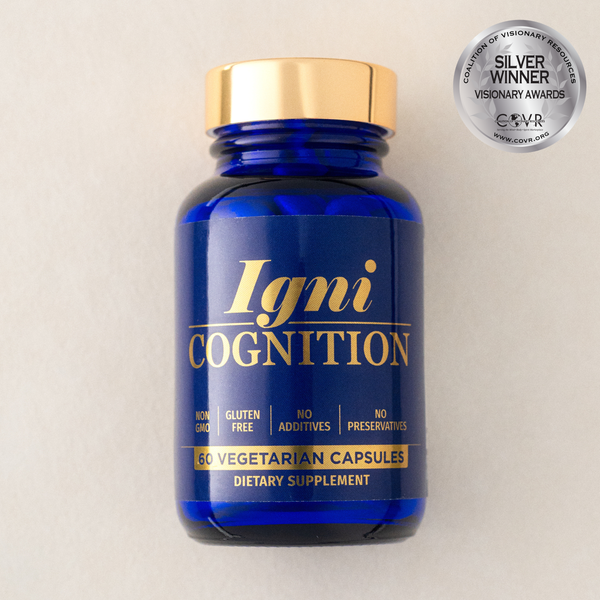
Ingredients
Multiple trials
Also called CDP-choline
Studied for
A choline source the body uses to maintain cell membranes
A compound the body makes on its own, present in every cell. It carries choline and cytidine — two components cells draw on to build and maintain their outer membranes. Nerve cells have unusually large membrane surfaces for their size, which is part of why citicoline recurs in neurological research.
Human trials typically use 250–500 mg per day over 8–12 weeks. The literature splits between healthy older adults and clinical populations, including stroke recovery and diagnosed cognitive decline.
The 2 studies
Browse all Citicoline research on PubMed
Shop this formulaHuman trial
Also called choline alphoscerate, or L-alpha glycerylphosphorylcholine
Studied for
A highly soluble choline compound
Another choline-carrying compound, found naturally in the body in small amounts and in foods such as organ meats and dairy. It is water-soluble and passes into the brain more readily than simple choline salts, which is generally why it is chosen over them in research.
Trials run 400–1,200 mg per day. Most human research on this ingredient has been conducted in people already diagnosed with cognitive impairment rather than in healthy adults — worth holding onto when reading it.
The study
Browse all Alpha-GPC research on PubMed
Shop this formulaHuman trial
A phospholipid, usually derived from soy or sunflower lecithin
Studied for
A phospholipid concentrated in brain tissue
A fat molecule forming part of the structural wall of every cell, at unusually high concentrations in brain tissue where it makes up a meaningful share of membrane material. The body produces it; diet contributes a small additional amount.
Human studies commonly use 100–300 mg per day and have examined memory measures, attention, and the body’s stress-hormone response. Populations vary widely across the literature.
The study
The effect of phosphatidylserine administration on memory and symptoms of attention-deficit hyperactivity disorder: a randomised, double-blind, placebo-controlled clinical trial
Browse all Phosphatidylserine research on PubMed
Shop this formulaCombination only
Also called CoQ10, ubiquinone, or ubiquinol
Studied for
A mitochondrial compound the body makes, and loses with age
A fat-soluble compound the body manufactures itself, concentrated inside mitochondria — the structures within cells that convert food into usable energy. Natural production declines with age, part of why it became one of the most researched supplement ingredients in existence.
The literature is enormous, spanning cardiovascular, mitochondrial, neurological and fatigue research across decades. The trial below tested CoQ10 alongside NADH rather than on its own, so it is not isolated-ingredient evidence. For the larger body of isolated work, the PubMed link is the better starting point.
The study
Effect of Dietary Coenzyme Q10 Plus NADH Supplementation on Fatigue Perception and Health-Related Quality of Life in Individuals with Myalgic Encephalomyelitis / Chronic Fatigue Syndrome: A Prospective, Randomized, Double-Blind, Placebo-Controlled Trial
Browse all Coenzyme Q10 research on PubMed
Shop this formulaCombination only
Reduced nicotinamide adenine dinucleotide
Studied for
A coenzyme central to cellular energy production
A coenzyme present in every living cell and central to energy production — one of the molecules shuttling electrons through the reactions that turn food into cellular fuel. Biologically it is not obscure; it is fundamental.
Human supplementation research is a smaller field. Studies exist in fatigue and Parkinson’s disease contexts, but many are small and several test NADH inside a combination product rather than alone. The trial below is one of those.
The study
Effect of Dietary Coenzyme Q10 Plus NADH Supplementation on Fatigue Perception and Health-Related Quality of Life in Individuals with Myalgic Encephalomyelitis / Chronic Fatigue Syndrome: A Prospective, Randomized, Double-Blind, Placebo-Controlled Trial
Browse all NADH research on PubMed
Shop this formulaNo direct study
Often abbreviated NALT
Studied for
A modified form of the amino acid L-tyrosine
Browse all N-Acetyl-L-Tyrosine research on PubMed
Shop this formula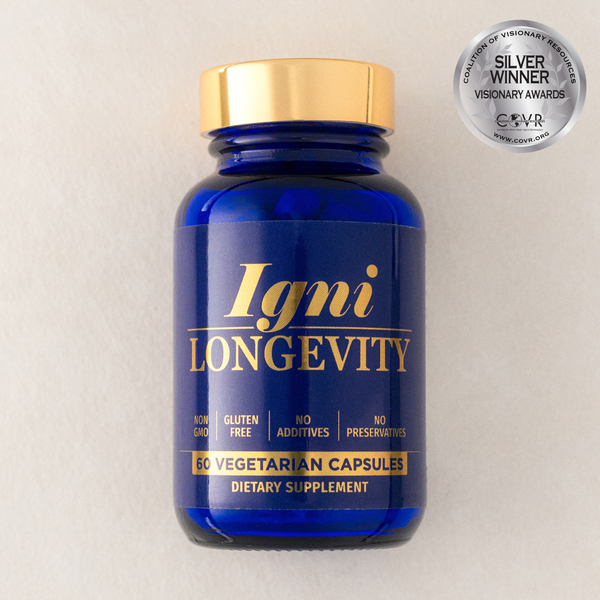
Ingredients
Multiple trials
Abbreviated NR; a form of vitamin B3
Studied for
A form of vitamin B3 the body converts into NAD+
A form of vitamin B3 that the body converts into NAD+, a coenzyme involved in energy metabolism and DNA repair. NAD+ levels fall with age, which is the premise most of this research is built on.
The human literature is unusually consistent on one point and unsettled on another: trials repeatedly show that oral NR raises NAD+ levels in the blood, while what that increase produces downstream remains under investigation. Several trials describe their cognitive outcomes as exploratory.
The 3 studies
Nicotinamide riboside is uniquely and orally bioavailable in mice and humans
Chronic nicotinamide riboside supplementation is well-tolerated and elevates NAD+ in healthy middle-aged and older adults
A randomized placebo-controlled trial of nicotinamide riboside in older adults with mild cognitive impairment
Browse all Nicotinamide Riboside research on PubMed
Shop this formulaMixed findings
Including trans-resveratrol; a polyphenol from grapes and berries
Studied for
A polyphenol from grapes and berries
A plant compound found in red grapes, berries and peanuts, studied since the 1990s for its effects on metabolism and blood vessel function. It has one of the deepest human trial records of any ingredient on this page.
It also has one of the most contested. Trials range from 28 days to 24 months across healthy adults, postmenopausal women, people with obesity and people with type 2 diabetes — and a substantial number report no measurable effect. Four of the ten studies we found describe null or mixed results. We have listed a spread rather than only the positive ones.
The 4 studies
Long-term effects of resveratrol on cognition, cerebrovascular function and cardio-metabolic markers in postmenopausal women: A 24-month randomised, double-blind, placebo-controlled, crossover study
Calorie restriction-like effects of 30 days of resveratrol supplementation on energy metabolism and metabolic profile in obese humans
High-dose resveratrol supplementation in obese men: an investigator-initiated, randomized, placebo-controlled clinical trial of substrate metabolism, insulin sensitivity, and body composition
Resveratrol supplementation does not improve metabolic function in nonobese women with normal glucose tolerance
6 further studies on this ingredient were found and are available through the link below.
Browse all Resveratrol research on PubMed
Shop this formulaMultiple trials
Abbreviated GSH; a tripeptide of glutamine, cysteine and glycine
Studied for
A tripeptide involved in handling oxidative stress
A small protein the body synthesises itself, involved in the cell’s handling of oxidative stress and in liver processing of compounds. Levels are measurable in blood and tissue, which makes it easier to study than most supplement ingredients.
The central open question in this literature is absorption: whether swallowed glutathione survives digestion intact and raises body stores. Several trials listed below were designed specifically to test that question rather than any downstream outcome.
The 3 studies
Randomized controlled trial of oral glutathione supplementation on body stores of glutathione
Effects of oral glutathione supplementation on systemic oxidative stress biomarkers in human volunteers
A Targeted Metabolomic Assessment of Oral Glutathione Bioavailability and Safety in Humans: A Randomized Crossover Clinical Trial
1 further study on this ingredient were found and are available through the link below.
Browse all Reduced Glutathione research on PubMed
Shop this formulaMeta-analyses
A plant alkaloid from goldenseal, barberry and related species
Studied for
A plant alkaloid, heavily trialled in metabolic conditions
A bright yellow compound extracted from several plants, used in traditional medicine and now among the most trial-tested botanicals in existence. Its research base is large enough that the strongest evidence comes from meta-analyses pooling dozens of trials rather than from any single study.
One thing to read carefully: almost all of this research was conducted in people with type 2 diabetes, metabolic syndrome, or dyslipidaemia. It is clinical-population evidence, and several trials compare berberine directly against prescription metformin.
The 4 studies
Effects of berberine on blood glucose in patients with type 2 diabetes mellitus: a systematic literature review and a meta-analysis
Overall and Sex-Specific Effect of Berberine on Glycemic and Insulin-Related Traits: a Systematic Review and Meta-Analysis of Randomized Controlled Trials
Treatment of type 2 diabetes and dyslipidemia with the natural plant alkaloid berberine
Efficacy and safety of berberine on the components of metabolic syndrome: a systematic review and meta-analysis of randomized placebo-controlled trials
2 further studies on this ingredient were found and are available through the link below.
Browse all Berberine research on PubMed
Shop this formulaDifferent context
Also called 5-MTHF; the active form of folate, vitamin B9
Studied for
The directly usable form of folate
The form of folate the body can use directly, without the enzymatic conversion step that folic acid requires. Folate itself is a well-established essential nutrient with a deep nutritional literature.
The trial evidence for supplemental L-methylfolate specifically, however, sits in a different area entirely: it was developed and tested as an add-on treatment in major depression. We have listed it as what it is rather than reframing it as longevity research.
The study
L-methylfolate as adjunctive therapy for SSRI-resistant major depression: results of two randomized, double-blind, parallel-sequential trials
Browse all L-Methylfolate research on PubMed
Shop this formulaHuman trial
Abbreviated PQQ
Studied for
A recently identified compound, mostly studied in the lab
A compound found in trace amounts in soil bacteria and in some foods, identified relatively recently compared with the other ingredients here. Most of what is known about how it works comes from laboratory and animal research.
Direct human trial evidence is thin by comparison — a small number of randomized studies, mostly in healthy volunteers at doses around 20 mg per day.
The study
Effect of Dietary Pyrroloquinoline Quinone Disodium Salt on Cognitive Function in Healthy Volunteers: A Randomized, Double-Blind, Placebo-Controlled, Parallel-Group Study
Browse all Pyrroloquinoline Quinone research on PubMed
Shop this formulaIndirect only
A purified saponin from Astragalus membranaceus root
Studied for
A purified saponin from Astragalus root
A compound isolated from Astragalus root, studied in the context of telomeres — the protective sequences at the ends of chromosomes that shorten as cells divide.
The human studies here need a caveat stated up front. Both were conducted on TA-65, a commercial Astragalus-derived preparation, not on chemically isolated cycloastragenol. That is related evidence, not direct evidence, and we have not presented it as the latter.
The 2 studies
A Natural Product Telomerase Activator Lengthens Telomeres in Humans: A Randomized, Double Blind, and Placebo Controlled Study
Evaluation of an oral telomerase activator for early age-related macular degeneration — a pilot study
Browse all Cycloastragenol research on PubMed
Shop this formula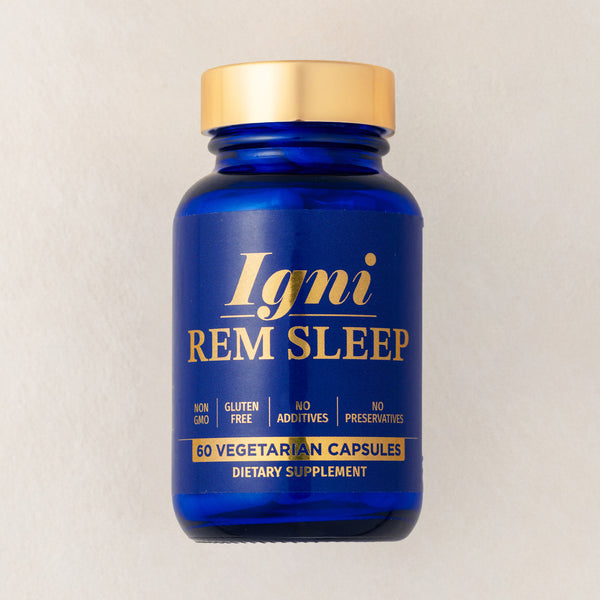
Ingredients
Human trial
The smallest amino acid
Studied for
The smallest amino acid
The simplest of the amino acids, made by the body and present in most protein-containing foods. It acts as a signalling molecule in the nervous system as well as a building block.
The sleep research is small but direct: placebo-controlled work using around 3 g before bedtime, generally measuring next-day subjective ratings rather than sleep architecture itself.
The study
The effects of glycine on subjective daytime performance in partially sleep-restricted healthy volunteers
Browse all Glycine research on PubMed
Shop this formulaMultiple trials
An essential amino acid
Studied for
An essential amino acid, precursor to serotonin
An amino acid the body cannot make and must obtain from food. It is the raw material from which serotonin, and in turn melatonin, are produced.
This is the oldest research base on the page. Sleep-laboratory trials date to the 1970s and used doses of 1–3 g, mostly in people with insomnia rather than healthy sleepers. Older trial design conventions are worth bearing in mind when reading them.
The 3 studies
The insomnia of ‘sleeping in a strange place’: effects of l-tryptophane
Treatment of severe chronic insomnia with L-tryptophan: results of a double-blind cross-over study
Tryptophan for the sleeping disorder and mental symptom of new-type drug dependence: A randomized, double-blind, placebo-controlled trial
1 further study on this ingredient were found and are available through the link below.
Browse all L-Tryptophan research on PubMed
Shop this formulaHuman trial
Abbreviated 5-HTP
Studied for
The intermediate between tryptophan and serotonin
The intermediate compound the body produces from tryptophan on the way to making serotonin. Taking it directly skips one conversion step.
Direct human sleep research is limited to a small number of controlled trials. The most recent, in older adults, reported that any benefit was most apparent among participants who slept poorly at baseline.
The study
The impact of 5-hydroxytryptophan supplementation on sleep quality and gut microbiota composition in older adults: A randomized controlled trial
Browse all 5-Hydroxytryptophan research on PubMed
Shop this formulaHuman trial
Abbreviated GABA
Studied for
The brain's main inhibitory neurotransmitter
The main inhibitory neurotransmitter in the brain — the signal that quiets neural activity rather than exciting it. Whether orally taken GABA reaches the brain in meaningful quantity is an open and actively debated question in the field.
The trial listed below is one of the few to use polysomnography, the sleep-laboratory measurement standard, rather than questionnaires alone.
The study
Safety and Efficacy of Gamma-Aminobutyric Acid from Fermented Rice Germ in Patients with Insomnia Symptoms: A Randomized, Double-Blind Trial
Browse all Gamma-Aminobutyric Acid research on PubMed
Shop this formulaAdjacent only
Ascorbic acid
Studied for
An essential nutrient, but little direct sleep research
An essential nutrient with one of the largest research literatures in nutrition science, spanning a century.
Almost none of it addresses sleep directly. What exists is either observational — associations drawn from large population datasets — or trials in specific clinical conditions where sleep was a secondary consideration. Both listed studies are labelled accordingly.
The 2 studies
The Association Between Dietary Vitamin C and Sleep Disorders: A Cohort Study Based on UK Biobank
Efficacy of vitamins C, E, and their combination for treatment of restless legs syndrome in hemodialysis patients: a randomized, double-blind, placebo-controlled trial
Browse all Vitamin C research on PubMed
Shop this formulaOutside sleep
A flavonoid from Chinese skullcap, Scutellaria baicalensis
Studied for
A flavonoid from Chinese skullcap
A plant compound from the root of Chinese skullcap, with a substantial laboratory literature examining how it interacts with receptors in the nervous system.
The human trial evidence, though, is in a different area. The randomized study below examined blood lipids and inflammation, not sleep. Sleep claims for baicalin rest largely on preclinical work. Baicalein, the closely related aglycone form, is a chemically distinct molecule and its research is not substituted here.
The study
Baicalin reduces blood lipids and inflammation in patients with coronary artery disease and rheumatoid arthritis: a randomized, double-blind, placebo-controlled trial
Browse all Baicalin research on PubMed
Shop this formulaNo direct study
An amino sulfonic acid
Studied for
A sulphur compound found in heart, muscle and nerve tissue
A sulphur-containing compound found at high concentrations in the heart, muscle and nervous system. The body makes it, and it is present in meat and seafood.
We found no robust randomized trial testing isolated taurine specifically as a sleep intervention. The sleep-related literature that exists is largely observational, mechanistic, conducted in animals, or confounded by energy-drink formulations where taurine appears alongside caffeine — which makes attribution impossible.
Browse all Taurine research on PubMed
Shop this formulaNo direct study
A bioflavonoid, most familiar from chamomile
Studied for
A bioflavonoid, most familiar from chamomile
A flavonoid present in chamomile, parsley and celery, studied in the laboratory for its interaction with receptors involved in sedation.
Direct human trials of isolated apigenin for sleep are sparse. Chamomile studies are frequently cited in its place, but whole chamomile contains many compounds and is not equivalent evidence for apigenin alone. We have not presented it as such.
Browse all Apigenin research on PubMed
Shop this formula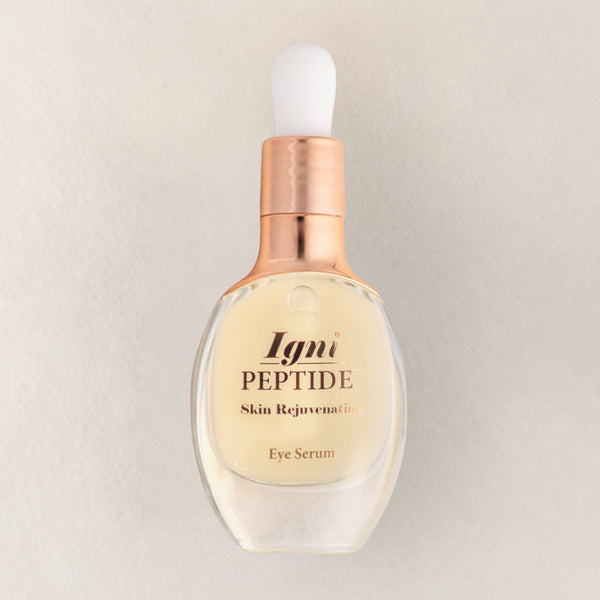
Ingredients
Pilot studies
Abbreviated EGF
Studied for
A signalling protein the body produces in skin
A protein the body produces as a signalling molecule in skin. It is among the most examined growth factors in dermatology research.
The topical human literature is real but modest in scale — pilot studies in the range of 18 to 50 participants, typically over 12 weeks. Two of the four studies listed tested multi-ingredient growth-factor formulations rather than EGF alone.
The 4 studies
Reduced appearance of under-eye bags with twice-daily application of epidermal growth factor (EGF) serum: a pilot study
A Prospective, Randomized, Double-blind, Split-face Clinical Trial Comparing the Efficacy of Two Topical Human Growth Factors for the Rejuvenation of the Aging Face
Improvement in Atrophic Acne Scars Using Topical Synthetic Epidermal Growth Factor (EGF) Serum: A Pilot Study
Improvement in skin wrinkles using a preparation containing human growth factors and hyaluronic acid serum
Browse all Epidermal Growth Factor research on PubMed
Shop this formulaIndirect only
Fermented marine algae extract
Studied for
A fermented marine algae extract
A marine extract produced by fermenting kelp, used in skincare as a source of minerals and amino acids.
Published human studies generally examine non-fermented seaweed extracts. Because a bioferment’s composition depends on the specific organism and fermentation process used, generic kelp-extract research is related rather than direct evidence for any particular bioferment.
The study
Effects of seaweed Laminaria japonica extracts on skin moisturizing activity in vivo
Browse all Sea Kelp Bioferment research on PubMed
Shop this formulaRoutes differ
Collagen broken into shorter peptide fragments
Studied for
Collagen cut into smaller peptide fragments
Collagen enzymatically cut into smaller fragments so that it can be formulated at a molecular weight low enough to interact with the skin surface.
Most published collagen research studies oral supplements rather than topical application. We have listed one trial that included a topical arm and one oral trial, labelled by route, because that distinction changes what the finding can be said to support.
The 2 studies
Efficacy and Safety of Topical or Oral Hydrolyzed Collagen in Women with Dermatoporosis: A Randomized, Double-Blind, Factorial Design Study
Evaluation of the Efficacy of a Hydrolyzed Collagen Supplement for Improving Skin Moisturization, Smoothness, and Wrinkles
Browse all Hydrolyzed Collagen research on PubMed
Shop this formulaMostly oral
Also called hyaluronan
Studied for
A molecule that binds and holds water in skin
A molecule naturally present in skin that binds and holds water, used as a humectant across the whole of skincare.
A pattern worth noticing in this literature: three of the four studies we found tested oral hyaluronan, not topical. The topical study listed first is the one conducted on the periocular area — the same region this product is formulated for.
The 2 studies
Efficacy of cream-based novel formulations of hyaluronic acid of different molecular weights in anti-wrinkle treatment
Oral Hyaluronan Relieves Wrinkles and Improves Dry Skin: A 12-Week Double-Blinded, Placebo-Controlled Study
2 further studies on this ingredient were found and are available through the link below.
Browse all Hyaluronic Acid research on PubMed
Shop this formulaHuman trial
Also called glycerol
Studied for
A long-established humectant
One of the oldest and most thoroughly established humectants in dermatology, drawing water toward the skin surface.
The trial listed is a large one by cosmetic-ingredient standards, though it studied a 20% cream in patients with eczema — a considerably higher concentration and a different context than a serum.
The study
A double-blind study comparing the effect of glycerin and urea on dry, eczematous skin in atopic patients
Browse all Glycerin research on PubMed
Shop this formulaIndirect only
Sodium pyrrolidone carboxylic acid
Studied for
A component of the skin's natural moisturizing factor
A component of the skin’s own natural moisturizing factor, the mixture that holds water in the outermost layer.
Controlled studies of sodium PCA in isolation are limited. It appears in clinical moisturizer research almost exclusively as one ingredient among many, which means its individual contribution cannot be separated out.
The study
A pilot study investigating the efficacy of botanical anti-inflammatory agents in an OTC eczema therapy
Browse all Sodium PCA research on PubMed
Shop this formulaSystematic reviews
From Aloe barbadensis leaf
Studied for
A plant extract with a deep clinical literature
A plant extract with three thousand years of topical use and, unusually for a botanical, a modern evidence base substantial enough to support several systematic reviews.
The research concentrates on wound healing, radiation dermatitis and psoriasis rather than cosmetic use around the eye. An umbrella review of that body of work found evidence strength varied considerably by indication.
The 3 studies
Aloe vera for prevention of radiation-induced dermatitis: A systematic review and cumulative analysis of randomized controlled trials
Management of psoriasis with Aloe vera extract in a hydrophilic cream: a placebo-controlled, double-blind study
Aloe vera and health outcomes: An umbrella review of systematic reviews and meta-analyses
2 further studies on this ingredient were found and are available through the link below.
Browse all Aloe Vera Extract research on PubMed
Shop this formulaPreservation System
Three ingredients present to keep the formula stable and safe rather than to act on skin. Their literature is regulatory and toxicological — safety assessment, not efficacy — and is listed on that basis.
Safety data
A 1,2-glycol; preservative booster and humectant
Studied for
Preservative booster and humectant
The study
Safety assessment of 1,2-glycols as used in cosmetics
Browse all Caprylyl Glycol research on PubMed
Shop this formulaSafety data
A broad-spectrum cosmetic preservative
Studied for
Broad-spectrum cosmetic preservative
The 2 studies
Opinion of the Scientific Committee on Consumer Safety (SCCS) — Final version of the opinion on Phenoxyethanol in cosmetic products
Safety review of phenoxyethanol when used as a preservative in cosmetics
Browse all Phenoxyethanol research on PubMed
Shop this formulaNo direct study
A preservative also widely used in food
Studied for
A preservative also widely used in food
The indexed literature here is dominated by preservative performance, sensitization and toxicology rather than any effect on skin. We have not selected a curated study because there is no efficacy question to answer — the ingredient is present to keep the formula safe.
Browse all Sorbic Acid research on PubMed
Shop this formula